

Liver Transplant in India
Written by Carehind Clinical Board
Medically reviewed by Dr. Vivek Vij — Medical Reviewer
Published: ·Last reviewed:
Overview
Key Benefits
- ✓Cures end-stage liver disease and cirrhosis.
- ✓Restores normal metabolic and blood-cleansing functions.
- ✓Eliminates symptoms like jaundice, ascites, and encephalopathy.
- ✓Donor's liver completely regenerates back to full size within 4-6 weeks.
Full Details
Why India, and Why Now
Decompensated cirrhosis, chronic liver failure, and primary liver tumors (hepatocellular carcinoma) don't wait for a convenient time. Jaundice, fluid buildup in the abdomen (ascites), confusion from hepatic encephalopathy, or internal bleeding are signs that the liver has stopped keeping up. At that stage, a transplant is the only treatment that fixes the underlying problem instead of managing symptoms around it.
India built its transplant capacity around living donor liver transplantation (LDLT) — a healthy relative donates part of their liver, which regenerates in both donor and recipient within weeks. This matters for one practical reason: deceased-donor livers in India are allocated to Indian citizens on the national waiting list, coordinated by the National Organ and Tissue Transplant Organisation (NOTTO). Foreign nationals are not eligible for those organs. If you're traveling from Russia or Uzbekistan, your path runs through a living donor, and the rest of this guide is built around that reality.
How Living Donor Liver Transplant Actually Works
The liver is the only solid organ in the human body that regenerates. A surgeon removes a portion of a healthy donor's liver — usually the right lobe for an adult recipient — and implants it after removing the recipient's diseased liver. For a child or smaller recipient, a smaller left lateral segment is used instead.
According to Cleveland Clinic's living donor transplant program, at least 30% of the donor's original liver volume must remain behind for the donor's safety, and left-lobe grafts typically represent 30–40% of total liver volume. Within weeks, rapid cell growth (hypertrophy) restores both the donor's remnant and the recipient's graft to close to normal functional volume. Carehind's own patients typically see the donor's liver regenerate to full size within 4–6 weeks.
Indicative symptoms that mean it's time to act
- Jaundice — yellowing of skin and eyes
- Ascites — fluid buildup in the abdomen
- Hepatic encephalopathy — confusion, memory lapses
- Hematemesis or melena — vomiting blood or black stool, from internal bleeding
Decompensated cirrhosis can deteriorate quickly. Early referral gives more time for donor screening and matching — it isn't something to sit on.
What a Liver Transplant Costs in India
Carehind's liver transplant package is $22,000, fully itemized — there's no separate "final bill" that shows up later.
| Service | Cost |
|---|---|
| Pre-transplant recipient & donor evaluation | $3,000 |
| Liver graft resection and transplant surgery | $8,500 |
| 21-day hospital stay (ICU & sterile ward) | $6,500 |
| Anesthesia and specialized consumables | $2,500 |
| First month of anti-rejection medication | $1,500 |
| Total | $22,000 |
This isn't an outlier. Max Healthcare, one of India's largest private hospital networks, publishes adult liver transplant packages starting from $23,000 — a useful independent check that Carehind's estimate reflects the real market, not a promotional lowball.
Compare that to the West. A 2020 Milliman actuarial report, cited by the Maryland Health Care Commission, put average U.S. billed charges for a liver transplant at over $800,000. Private liver transplants in the UK and Western Europe also commonly run into six figures once you include the surgery, extended hospital stay, and follow-up care. The clinical outcomes in India's JCI-accredited centers are comparable — the price difference comes from lower facility and labor costs, not lower standards.
What isn't in the package
Budget separately for:
- Flights and visas — variable by departure city
- Accommodation during recovery — most patients stay near the hospital for the full 60-day in-country window
- Lifelong immunosuppressive medication — Tacrolimus, Mycophenolate Mofetil, and tapering steroids, typically a few hundred to low thousands of dollars per month depending on dosage and brand
- Routine outpatient monitoring — blood work and clinic visits after the first month
Want a number specific to your case? Run it through Carehind's cost calculator or get a free itemized estimate within 2 hours via WhatsApp.
Carehind's Liver Transplant Surgeons
Every surgeon listed here is one Carehind actually works with — not a name pulled from a hospital's general roster.
Dr. Vivek Vij — Director, Liver Transplant & HPB Surgery, Fortis (Gurugram). 25+ years of experience, 2,500+ transplants performed, 98.8% success rate. View profile
Dr. Ajitabh Srivastava — Director, HPB Surgery & Liver Transplant, Max Healthcare. 19+ years of experience, 950+ transplants performed, 97.4% success rate. View profile
Both consultations are free, conducted over WhatsApp video call, and don't require you to travel first. Book a surgeon consultation.
The wider India market, for context
India has several other high-volume liver transplant programs outside Carehind's network — Medanta – The Medicity in Gurugram and the Center for Liver and Biliary Sciences (Max Saket/BLK-Max) in Delhi both report volumes in the thousands of procedures. If you've seen a specific surgeon's name mentioned elsewhere in your research and it isn't one of the two above, confirm directly with Carehind whether that surgeon is part of your treatment plan before assuming it — coordination only works cleanly through the surgeons Carehind is actually partnered with.
Carehind works across a network of 30+ JCI-accredited hospital partners in India, including Max Patparganj, Max Saket Smart, BLK Max, Fortis (Gurugram), Apollo (Chennai), Medanta (Gurugram), Artemis (Gurugram), Aakash (New Delhi), and Manipal (Bengaluru). JCI accreditation means a hospital has passed an independent, unannounced on-site evaluation of patient safety and care quality — it isn't a marketing badge.
The Legal Side: Who Can Donate, and Who Signs Off
This is the part most agencies gloss over, and it's the part that actually determines your timeline.
All organ transplants in India are governed by the Transplantation of Human Organs and Tissues Act (THOTA), 1994, updated by the 2011 amendment and 2014 rules. The full legal text is public, and the Delhi government's Health & Family Welfare Department publishes a plain-language summary.
For foreign nationals specifically:
- You must bring a compatible living donor — foreign patients cannot receive a deceased-donor liver in India.
- Under THOTA, that donor must be a documented near relative — spouse, parent, child, sibling, or grandparent/grandchild. Non-relative donation for foreign recipients is not routinely permitted.
- A State Authorization Committee — an independent government panel, not the hospital — interviews the recipient, donor, and accompanying family to confirm the donation is voluntary and non-commercial, and to verify the relationship on paper.
Required documentation includes medical visas (M-Visas) for recipient, donor, and attendant; a No-Objection Certificate from your home country's embassy in New Delhi; notarized proof of relationship (birth or marriage certificates, translated and apostilled); and financial records showing the arrangement isn't a paid transaction. Carehind's coordinators assemble this dossier alongside the hospital's international patient team — you're not doing embassy visits and translations on your own.
For the equivalent kidney transplant rules — the logic is nearly identical — see Carehind's Ethical Guidelines for Kidney Transplants in India.
The Process, Start to Finish
- Weeks 1–2 — Remote triage. You send liver function tests, viral markers, and imaging scans securely. Carehind's coordinating surgeon reviews them and gives you a treatment plan and cost estimate within 24–48 hours. The hospital then issues visa invitation letters for recipient, donor, and one attendant.
- Weeks 3–4 — Arrival and legal clearance. Airport pickup, hotel check-in, and a round of pre-operative testing for both recipient and donor. In parallel, you visit your embassy in New Delhi for the No-Objection Certificate, and the Authorization Committee conducts its interview. Surgery is scheduled once clearance comes through.
- Weeks 4–6 — Surgery and ICU recovery. Recipient and donor surgeries happen in adjacent operating rooms. Afterward:
- Phase 1 (Week 1–2 post-op): Strict ICU isolation, close monitoring of liver enzymes and blood flow to the graft.
- Phase 2 (Week 3–5): Outpatient monitoring, high-protein nutrition, anti-rejection medication dosing adjusted.
- Weeks 7–12 — Outpatient recovery in India. You stay near the hospital for the remainder of the 60-day in-country window. Twice-weekly clinic visits check liver function and graft blood flow. Once things stabilize, the transplant team issues a "fit-to-fly" clearance.
- Month 2 onward — Recovery at home. Phase 3 (Month 2–3): periodic liver function tests, avoid heavy lifting or bending. Phase 4 (Month 4+): return to physical work and travel, quarterly check-ups. Follow-up happens by video call between your Indian surgical team and your local physician.
Throughout, a Russian- or Uzbek-speaking coordinator is present at every appointment, every hospital round, and the Authorization Committee interview itself — not just at the airport.
Risks and Long-Term Care, Honestly
No transplant is risk-free, and pretending otherwise doesn't help you prepare.
| Complication | What it looks like | How it's managed |
|---|---|---|
| Acute graft rejection | Elevated liver enzymes, fever, reduced bile output | Adjusted immunosuppressant dosing, IV steroids if needed |
| Biliary leak or stricture | Abdominal pain, bile drainage, jaundice | Drainage, stenting, or surgical repair |
| Vascular thrombosis | Sudden enzyme spike, loss of blood flow signal | Immediate re-exploration, and in rare cases re-transplantation |
| Infection | Fever, low counts, opportunistic pathogens | Isolation protocols, prophylactic antiviral/antifungal medication |
For donor safety specifically, the largest U.S. cohort study on living liver donors — the A2ALL consortium, summarized on PMC/NIH — found an overall donor mortality rate of 0.4% and a serious-complication-with-lasting-disability rate of 1.1%, out of 760 donors studied. That's the honest number, not a rounded-down one.
Recipients take lifelong immunosuppressive medication — typically a calcineurin inhibitor (Tacrolimus), an antimetabolite (Mycophenolate Mofetil), and tapering steroids. Blood levels are checked weekly at first, then less often as things stabilize. This is a permanent part of life after transplant, not a temporary phase.
Support for Russian and Uzbek Patients
- A Russian- or Uzbek-speaking coordinator at every medical appointment, not just for translation but to make sure you actually understand what's being decided
- Visa invitation letters, embassy appointment scheduling, and Authorization Committee document prep handled by Carehind's team
- Airport pickup and hotel arrangements near the hospital for the full recovery window
- Remote video follow-up with your Indian surgical team after you're home, coordinated with your local physician
If you're planning the trip itself — documents, currency, what to pack — see Carehind's Medical Travel Preparation Guide for Uzbek Patients. Country-specific overviews are also available for patients from Russia and patients from Uzbekistan.
Real Patient Outcomes
Rather than a single quote here, see verified stories from patients Carehind has coordinated care for, including liver transplant recipients from Uzbekistan and Kazakhstan: Read patient success stories.
Why Needed?
Indicated for patients with decompensated cirrhosis, chronic liver failure, or primary liver tumors (HCC). Immediate care prevents severe neurological complications (hepatic coma) and fatal internal bleeding.
Indicative Symptoms
- •Jaundice (yellow skin and eyes)
- •Ascites (severe fluid collection in abdomen)
- •Hepatic encephalopathy (confusion, memory loss)
- •Frequent internal bleeding (hematemesis or melena)
Timeline Urgency
Urgent: Decompensated cirrhosis can deteriorate rapidly. Early referral is vital for donor matching and screening.
Recovery Timeline
Phase 1: ICU & Ward Stay
Strict isolation in a dedicated transplant ICU to prevent infection. Close monitoring of liver enzymes and vascular flows.
Phase 2: Local Rehabilitation
Outpatient monitoring. High-protein nutritional intake is established, and dosage of anti-rejection meds is carefully managed.
Phase 3: Progressive Recovery
Discharge clearance to return home. Periodic liver function tests (LFT) required. Avoid strenuous bending or lifting.
Phase 4: Active Life Resumption
Complete graft adaptation. Patients can return to physical work, travel, and switch to routine quarterly check-ups.
Cost Breakdown
| Service Type | Estimated Cost |
|---|---|
| Pre-Transplant Recipient & Donor Evaluation | $3,000 |
| Liver Graft Resection and Transplant Surgery | $8,500 |
| 21 Days Hospital Stay (ICU & Sterile Ward) | $6,500 |
| Anesthesia and Specialized Consumables | $2,500 |
| First Month Anti-Rejection Medication | $1,500 |
| Total Liver Transplant Cost | $22,000 |
Our Clinical Team
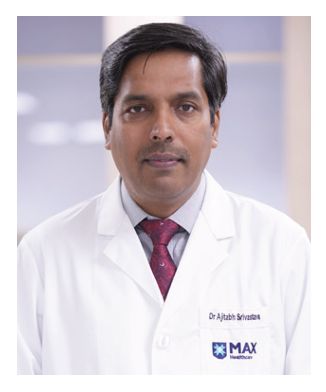
Dr. Ajitabh Srivastava
Director - HPB Surgery & Liver Transplant
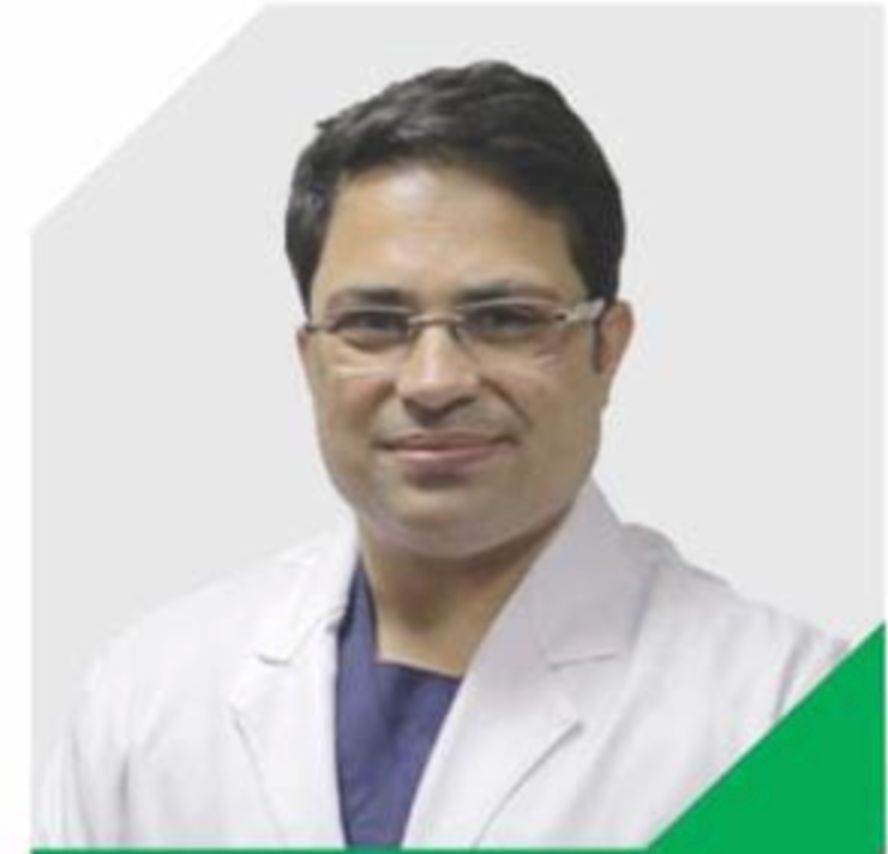
Dr. Vivek Vij
Director - Liver Transplant & HPB Surgery
Patient Story
Rustam T.
Samarkand, Uzbekistan"Dr. Vivek Vij and the transplant team at Fortis were outstanding. My liver transplant went smoothly, and my donor brother is also fully recovered now. Exceptional service."
International Guides
Treatment estimates and guides for international patients: