

Kidney Transplant in India
Written by Carehind Clinical Board
Medically reviewed by Dr. Shailesh Chandra Sahay — Medical Reviewer
Published: ·Last reviewed:
Overview
Key Benefits
- ✓Freedom from exhausting dialysis schedules.
- ✓Vastly improved energy levels and overall quality of life.
- ✓Higher life expectancy compared to remaining on chronic dialysis.
- ✓You must bring a medically compatible close relative as a legal donor.
Full Details
The Reality Check
If you're in Russia or Central Asia waiting for a kidney transplant, the numbers are grim. A deceased donor kidney in the Russian Federation takes 4-6 years. A private transplant in Western Europe costs €50,000-€70,000. Both paths mean months of uncertainty and thousands of dollars you may not have.
There's another option—and Carehind has spent the last five years building it.
At JCI-accredited hospitals in India, you can get a kidney transplant for $13,000 with surgery scheduled within 8-10 weeks. The surgeons here have done thousands of these. The success rates match Western Europe. The legal process, while strict, is navigable if you know what to expect.
This guide walks you through exactly what that looks like: the costs, the surgeons, the legal requirements, the timeline, and what happens if complications arise. If you're seriously considering this, you need to understand all of it—not the sales pitch, but the reality.
Is Kidney Transplant Surgery in India Actually Safe?
Let's start with what matters most: Will this work, and will it be safe?
The short answer: Yes. One-year graft survival rates at India's top transplant centers are 90-95% for living donor transplants—equivalent to the US and Europe.
Here's the data:
Living donor 1-year graft survival: 90-95%
Deceased donor 1-year graft survival: 85-90%
5-year overall graft survival: ~80%
Annual renal transplant volume in India: Over 9,000 surgeries yearly
India's major transplant centers perform more kidney transplants per hospital annually than most European institutions. Max Hospital Delhi, for example, conducts 400+ transplants yearly. The surgeons operating there trained at Johns Hopkins, Mayo Clinic, and UK transplant centers. They're not learning on patients—they're executing protocols that have been refined across thousands of cases.
The main reason Indian hospitals achieve these outcomes: volume, standardized protocols, and significantly lower complication rates from infection thanks to modern ICU infrastructure. A kidney transplant in Delhi uses the same surgical technique, immunosuppressant drugs, and monitoring protocols as one in Munich or Boston.
One thing Russian and Uzbek patients often worry about: quality of care and whether language barriers could lead to mistakes. Carehind addresses this head-on. You'll have a native Russian or Uzbek-speaking translator present at every appointment—not a machine translator, an actual person who understands medical terminology and can clarify if something doesn't make sense.
The Complete Cost Picture: What You Actually Pay
This is where transparency matters, because hidden costs destroy trust.
A kidney transplant in India costs $13,000 total. Here's what's included and what isn't:
What's Included in the Transplant Package
| Item | Cost |
|---|---|
| Surgeon fees (4-6 hours) | $3,000-$4,000 |
| Hospital stay (7-10 days post-op) | $4,000-$5,000 |
| Operating room, equipment, supplies | $2,000-$2,500 |
| Anesthesia and monitoring | $1,500-$2,000 |
| In-hospital medications (7-10 days) | $800-$1,200 |
| Native translator (full duration) | $1,200-$1,500 |
| Airport transfer, hospital liaison | Included |
| TOTAL | $13,000 |
What You Budget Separately (Not Included)
| Item | Estimated Cost |
|---|---|
| Pre-op diagnostic tests (imaging, blood work, tissue matching) | $2,000-$2,500 |
| 4-week post-op hotel stay near hospital | $1,200-$2,000 |
| Flights (international) | $600-$1,500 |
| Food and local transportation | $400-$600 |
| Immunosuppressant medications (first 3 months after discharge) | $500-$800 |
| Additional Total | $5,000-$7,500 |
Payment Methods
Carehind and partner hospitals accept:
Bank transfer (international wire)
Credit/debit card (Visa, Mastercard)
Cash in USD (if you prefer to carry it—bring original documents)
Most patients arrange payment 60-70% upfront (to confirm surgical slot and begin document processing) and the remainder within a week of arrival in India.
Why is India 70-80% cheaper than Europe?
Not because the care is inferior. Because operating costs are lower. A surgeon's overhead in Delhi is a fraction of London or Berlin. Hospital staff salaries are proportionally lower. Real estate costs less. That's why you save money—not on quality, but on operational overhead.
The Surgeons: Who Will Operate on You
Carehind partners with India's top renal transplant specialists. These aren't generalists—they've dedicated their careers to kidney transplants.
Dr. Shailesh Chandra Sahay
Director - Urology
Patient Rating: ⭐⭐⭐⭐⭐ (283 reviews)
Expertise: Renal transplantation, laparoscopic donor nephrectomy
Profile & Booking: View Full Profile | Book Consultation
Dr. Varun Verma
Associate Director - Nephrology
Patient Rating: ⭐⭐⭐⭐⭐ (235 reviews)
Expertise: Pre-transplant evaluation, immunosuppression management, post-transplant care
Profile & Booking: View Full Profile | Book Consultation
Dr. Manoj K. Singhal
Director - Nephrology
Patient Rating: ⭐⭐⭐⭐⭐ (318 reviews)
Expertise: Chronic kidney disease management, transplant nephrology, drug interactions
Profile & Booking: View Full Profile | Book Consultation
Dr. Shafiq Ahmed
Director - Urology, Andrology & Renal Transplant
Patient Rating: ⭐⭐⭐⭐⭐ (212 reviews)
Expertise: Renal transplantation, living and deceased donor surgery, robotic-assisted procedures
Profile & Booking: View Full Profile | Book Consultation
All four surgeons work at JCI-accredited hospitals in Delhi NCR. You can request a specific surgeon when you upload your medical files. If that surgeon is overbooked, Carehind will recommend one of the others and explain why they're equally qualified for your case.
India's Strict Transplant Laws: What You Must Know
India has one of the world's most rigorous organ transplant legal frameworks—the Transplantation of Human Organs and Tissues Act (THOTA).
This law exists to prevent organ trafficking and ensure all donations are truly voluntary. It's strict, but it also protects you.
The Core Rules
Who can donate a kidney to you:
A blood relative (parent, sibling, child)
A spouse
Non-relatives are allowed only if the Authorization Committee verifies a genuine, long-term emotional bond and rules out any financial transaction
What you cannot do:
Pay a stranger for a kidney
Use an unrelated donor without extensive committee verification
Receive a kidney from a minor (under 18)
Skip the Authorization Committee interview
Documents You'll Need
Before you travel, you must gather and get attested:
Identity Documents
Valid passport for patient, donor, and attendant
Birth certificate (of both patient and donor)
Marriage certificate (if spouse is donor)
Proof of Relationship
School records, family photos, joint bank accounts, or shared address history
All translated to English and apostilled by your home country's Ministry of Foreign Affairs
Legal Consent
Signed affidavit from donor confirming the donation is voluntary
Attested by your embassy or high commission in India
Financial Proof
3 years of bank statements showing you can afford treatment
Tax returns or employment salary slips
All translated to English
Diplomatic Clearance (for foreign nationals)
Form 21 or Form 14C certification from your home country's embassy in New Delhi
This isn't bureaucratic theater. The Authorization Committee exists to prevent trafficking. You want this scrutiny—it means the committee verifies that the donor is genuinely willing and that money hasn't changed hands.
The Authorization Committee Interview
Once you arrive in India with your verified documents, the hospital submits everything to the state government's Authorization Committee. An independent team reviews your case and conducts a recorded video interview with you, the donor, and close relatives.
They'll ask:
How do you know this person?
Why are they donating?
Has anyone paid anyone?
Do you understand the risks?
The committee has 6-8 weeks to decide. Most approvals happen within 4 weeks if documents are complete.
Your 8-Week Timeline: What Happens When
Here's the exact sequence from decision to recovery:
Weeks 1-2: Remote Evaluation
You upload your recent medical reports (kidney function tests, imaging, blood type, tissue typing if available) to the Carehind portal. A surgeon reviews them within 24 hours and schedules a WhatsApp video call to discuss your case.
On that call, the surgeon will say one of three things:
"You're a good candidate. Here's the timeline and cost."
"We need more tests before deciding."
"A transplant isn't suitable for you right now. Here's why."
If you're approved, Carehind begins document verification and visa processing.
Weeks 2-3: Visa & Legal Preparation
Carehind coordinates with your embassy to obtain the "No Objection Certificate" (NOC) for your Medical Visa (M). The donor and attendants apply for Medical Attendant Visas (MX).
Simultaneously, Carehind and the hospital's legal team review all documents for completeness. Missing paperwork delays everything.
Russian/Uzbek patient note: Carehind has relationships with medical attaches at embassies in Moscow and Tashkent. This accelerates NOC issuance significantly. Without agency help, you'd handle this yourself—which takes 4-6 weeks. Carehind compresses it to 1-2 weeks.
Week 3-4: Pre-Op Testing
You arrive in Delhi. Airport pickup is arranged. You check into your hotel.
The next day, blood tests and imaging are conducted at the hospital. These include:
Complete blood panel
Kidney function markers (creatinine, eGFR, BUN)
HLA tissue typing (to confirm compatibility)
Ultrasound of your current kidneys
EKG and chest X-ray (cardiac clearance)
The donor undergoes similar testing, plus a CT scan to map kidney anatomy for the surgical team.
Week 4: Authorization Committee Interview
The hospital submits your complete file. Within 2-3 days, the Committee schedules a video interview (recorded). You, the donor, and one close relative appear.
The Committee will ask straightforward questions in a formal setting. A translator interprets. The process takes 30-45 minutes.
Why this matters: After this interview, you have a legal stamp of approval. Nothing changes the date—you're cleared.
Week 5: Surgery
The surgery is typically scheduled 5-7 days after committee approval. You'll be admitted the night before.
What happens during surgery:
You receive general anesthesia
The surgeon makes a 6-inch incision (sometimes smaller if laparoscopic)
Your new kidney is placed in your pelvis (usually; original kidneys stay unless infected)
The surgeon connects the kidney's blood vessels to your blood vessels
The ureter (tube carrying urine) is connected to your bladder
Surgery takes 3-4 hours
You wake up in recovery. The new kidney usually produces urine within 24 hours (sometimes takes days or weeks—don't panic if it doesn't immediately).
Weeks 6-7: Hospital Recovery
You'll spend 7-10 days in the hospital post-op. Daily activities:
Blood draws to check kidney function and drug levels
Twice-daily rounds with the surgical team
Pain management (typically controlled within 48 hours)
Physical therapy (walking the halls by day 2)
By day 7, most patients are ambulatory and eating normally.
Weeks 7-8: Outpatient Monitoring & Discharge
You're discharged to your hotel. For the next 3-4 weeks, you attend twice-weekly outpatient clinic visits:
Blood tests to monitor creatinine, immunosuppressant drug levels, and infection markers
Ultrasound of the transplanted kidney
Urine tests
By week 8, if everything looks stable, you're cleared to fly home. Follow-up monitoring continues remotely via video calls with your surgeon.
What Can Go Wrong: Risks and Reality
No surgery is risk-free. You need to understand what complications look like.
Immediate Post-Op Complications (First 4 Weeks)
Delayed Graft Function (DGF) — 3-5% of recipients The new kidney takes longer than expected to start producing urine. Usually resolves within 2-4 weeks. Managed with dialysis during that period at the hospital.
Bleeding — <1% Controlled surgically during the operation. Rarely an issue post-op if you follow medication instructions.
Infection — 2-3% Urinary tract infection or wound infection. Managed with antibiotics. ICU protocols at JCI hospitals prevent most infections.
Blood Clots — <1% In the transplanted kidney's blood vessels. Usually detected early via ultrasound. Managed medically or surgically.
Long-Term Complications (Months to Years)
Acute Rejection — 20-30% of recipients (detected on blood work and biopsy) Your immune system recognizes the kidney as "foreign" and attacks it. This is expected and manageable. Signs include:
Fever
Sudden weight gain (>2 kg in 1-2 days)
Pain over the transplant site
Elevated serum creatinine on blood work
Treated with IV steroids or monoclonal antibodies. Usually resolves. You don't lose the kidney.
Chronic Rejection — Develops slowly over months/years Your immune system continually damages the kidney gradually. This is why immunosuppressant medications are lifelong—they prevent this.
New-Onset Diabetes — 10-20% of recipients Some immunosuppressants can trigger diabetes. Managed with diet, exercise, and medication. Reversible if detected early.
Hypertension — 40-60% of recipients Common post-transplant. Managed with blood pressure medication.
Infection — Opportunistic infections (CMV, BK virus, fungal) More common in first 6 months due to immunosuppression. Monitored via blood tests. Treated if detected.
The Key Reassurance
You're monitored constantly for these. Blood tests happen weekly for the first month, then monthly, then quarterly. If something starts to develop, your surgeon catches it early—when it's most treatable.
Life After Transplant: What Actually Changes
You'll take 3-4 medications every day for life:
Tacrolimus — Prevents rejection
Mycophenolate Mofetil (MMF) — Prevents rejection
Prednisolone (steroid) — Prevents rejection + reduces inflammation
Cost of these medications: $300-$600 monthly (varies by region). In Russia, some costs may be covered by insurance—check with your provider.
What you can and cannot do:
✓ Work (by week 8-10) ✓ Exercise (gradually, no contact sports for 3-6 months) ✓ Drive (once pain-free and cleared by doctor) ✓ Eat normally (no specific diet restrictions) ✓ Fly (after 4 weeks post-op) ✓ Have children (yes; discuss with your nephrologist)
✗ Skip medications (ever) ✗ Ignore blood test appointments (monthly for life) ✗ Ignore signs of rejection (fever, weight gain, pain) ✗ Use NSAIDs like ibuprofen (damages kidneys; use acetaminophen instead)
Graft longevity: A living donor kidney typically lasts 15-20 years. A deceased donor kidney lasts 10-15 years. Some last longer. When a graft fails (after many years), you either return to dialysis or get another transplant.
Carehind's Role: What We Actually Do
Carehind is not a hospital. We're the bridge between you and the hospital.
Before you leave home:
Review your medical reports
Confirm you're a surgical candidate
Help you gather documents
Coordinate with your embassy
Answer questions via WhatsApp/Telegram
When you arrive in India:
Airport pickup
Hotel coordination
Translator presence at every appointment
Liaison with hospital staff on your behalf
Help coordinate with the Authorization Committee
After surgery:
Support during hospital recovery
Help with outpatient appointments
Facilitate remote follow-up with your surgeon
Answer medication questions
After you return home:
Coordinate video consultations with your surgeon
Help manage medication side effects
Emergency support if issues arise
This matters because hospitals are large institutions. A surgeon sees 30 patients a week. Without someone specifically managing your logistical needs and acting as your advocate, things slip through cracks—appointments get missed, questions don't get answered, confusion happens.
Carehind prevents that.
Why Needed?
Patients with Stage 5 chronic kidney disease (estimated GFR below 15 ml/min) typically require a transplant. Prompt treatment is critical as long-term dialysis causes vascular calcification and heart strain. Note: Under Indian transplant laws, patients must bring a medically compatible close relative as their donor.
Indicative Symptoms
- •Persistent fatigue and fluid retention (edema)
- •High blood urea and creatinine levels
- •Loss of appetite and regular vomiting/nausea
- •Refractory hypertension (difficult to control blood pressure)
Timeline Urgency
Highly Urgent: Initiating transplant discussions before starting dialysis ('pre-emptive transplant') delivers the highest long-term survival rates. Patients must bring their own donor.
Recovery Timeline
Phase 1: In-Hospital Stay
Post-operative monitoring in a specialized transplant ICU. Daily blood draws to monitor kidney function and immunosuppressant levels.
Phase 2: Local Recovery
Discharged to nearby hotel or outpatient clinic apartments. Frequent check-ups (3 times a week) to adjust medication dosages.
Phase 3: Rebuilding Activity
Return to home country. Light exercise is encouraged. Shielding from high-infection crowds remains essential.
Phase 4: Full Resumption
Resume normal daily activities, return to work, and shift to a monthly follow-up schedule with local nephrologists.
Cost Breakdown
| Service Type | Estimated Cost |
|---|---|
| Pre-Op Evaluation (Recipient & Donor) | $2,500 |
| Surgeon & Anesthesia Fees | $4,500 |
| Laparoscopic Donor Nephrectomy | $2,000 |
| 10 Days Hospital Stay (Recipient & Donor) | $4,000 |
| Total Transplant Cost | $13,000 |
Our Clinical Team
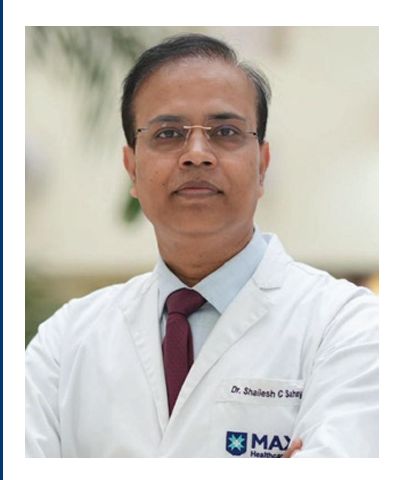
Dr. Shailesh Chandra Sahay
Director - Urology
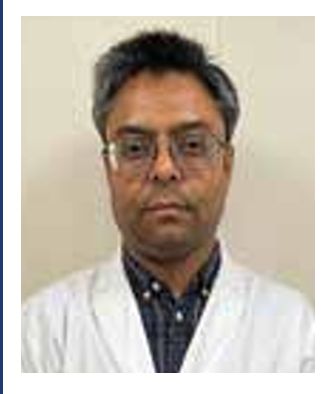
Dr. Varun Verma
Associate Director - Nephrology
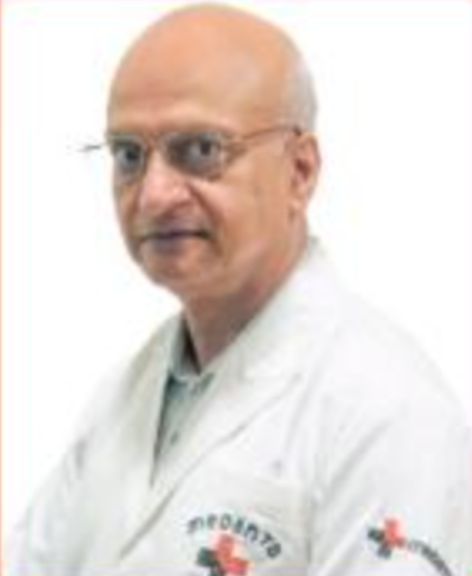
Dr. Manoj K. Singhal
Director - Nephrology
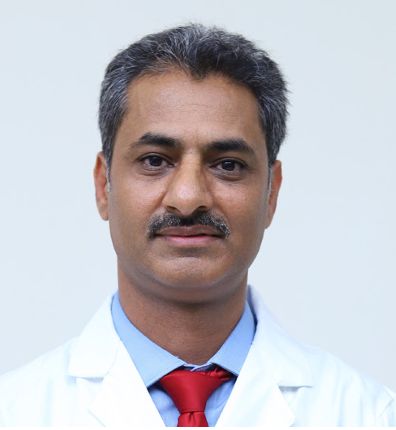
Dr. Shafiq Ahmed
Director - Urology, Andrology & Renal Transplant
Patient Story
Javokhir M.
Tashkent, Uzbekistan"The clinical coordinators at Carehind arranged our urology authorization files inside 5 days. Having an Uzbek-speaking helper in the ward gave my family complete peace of mind. The surgery succeeded beyond our hopes."
International Guides
Treatment estimates and guides for international patients: