

Heart Bypass (CABG) in India
Written by Carehind Clinical Editorial Team
Medically reviewed by Dr. Z.S. Meharwal — Medical Reviewer
Published: ·Last reviewed:
Overview
Key Benefits
- ✓Relieves chronic chest pain and breathing difficulties.
- ✓Vastly reduces the risk of sudden cardiac events.
- ✓Restores active lifestyle capacity and stamina.
- ✓Proven long-term vessel patency compared to stents.
Full Details
What the $7,500 covers
We publish the breakdown rather than a single number, because a single number is where hidden costs hide.
| Line item | Cost |
|---|---|
| Pre-operative cardiac evaluations | $1,000 |
| Surgeon and cardiac anaesthetist fees | $3,500 |
| Cardiopulmonary bypass consumables | $1,500 |
| Hospital stay, 7 days in the cardiac ward | $1,500 |
| Total | $7,500 |
What sits outside the package
Budget for these separately. We'll give you real figures for your dates rather than a range:
- International flights for you and your attendant
- Hotel or serviced apartment for the outpatient weeks after discharge
- Meals and local transport
- Take-home cardiac medication
- Treatment of unrelated conditions found during your workup — uncontrolled diabetes, significant kidney impairment or an active infection all need managing before surgery, and that adds cost and time
If your angiogram shows anatomy that needs more than a standard multi-vessel graft, the estimate changes. We tell you that before you fly, not after you land.
Compare your own numbers: Run the cost calculator for CABG
Why the price is this low
This is the question every patient asks, and the honest answer is structural rather than clinical.
Salaries across the entire hospital — surgeons, nurses, perfusionists, technicians, administrators — are set to Indian wage levels. Indian manufacturers supply a large share of the sutures, oxygenators and drugs, so hospitals aren't paying import margins on consumables. Malpractice insurance costs a fraction of what a US or German hospital carries. And the large cardiac centres run high surgical volumes, which spreads fixed overhead thinly.
None of those levers touch the operating theatre. The graft technique, the monitoring, the ICU nurse-to-patient ratio and the surgeon's training are not what's being discounted.
If a facilitator can't explain why their price is low, treat that as a warning sign.
Who operates
Carehind lists two adult cardiac surgeons for bypass work. We're naming only these two here because they're the CTVS surgeons on our verified roster who perform adult coronary revascularisation.
Dr. Vaibhav Mishra — Senior Director, Cardiac Surgery (CTVS), Max Super Speciality Hospital, Patparganj. Qualifications: M.Ch, M.S. Surgery, M.B.B.S. Twelve-plus years in practice, 2,000-plus procedures, 98.1% success rate as published on his Carehind profile. Rated 4.9 across 264 patient reviews. Full profile and free consultation →
Dr. Z.S. Meharwal — Executive Director and Head, Adult Cardiac Surgery and Heart Transplant. Rated 4.9 across 195 patient reviews. Full profile and free consultation →
You consult your surgeon by video before you commit to anything. He reviews your angiogram footage, echo and blood work, and tells you whether he thinks surgery is the right call. That consultation is free, and a Russian- or Uzbek-speaking interpreter sits in on it.
You'll also see cardiologists and paediatric cardiac surgeons listed elsewhere on the site. They handle different work — angioplasty, congenital cases — and they won't be the ones performing your bypass.
Off-pump or on-pump? The honest version
A lot of medical travel content presents off-pump ("beating heart") surgery as automatically better. The published evidence doesn't support that, and you deserve the real picture before someone sells you a technique.
In conventional on-pump CABG, a heart-lung machine takes over circulation while the heart is stopped. In off-pump, the surgeon works on a beating heart using tissue stabilisers.
Here's what the large trials found. The ROOBY trial randomised 2,203 patients across 18 centres and reported no significant difference in the 30-day composite outcome between the two techniques, but a worse one-year composite outcome for off-pump, along with less complete revascularisation and poorer graft patency. A ten-year registry analysis of procedures done by experienced surgeons, published in JACC, found off-pump associated with more incomplete revascularisation, more repeat procedures and higher mortality at ten years — the authors concluded on-pump is likely the right choice for most patients. A meta-analysis of randomised trials found off-pump may raise late all-cause mortality by a factor of 1.37.
Against that, a five-year randomised comparison found the two techniques comparable in low-risk patients, and a randomised trial in triple-vessel disease found them equivalent when an expert in both methods performed the surgery.
The pattern is consistent: surgeon experience matters more than technique. Off-pump in the hands of someone who does it constantly is a reasonable choice, particularly for patients with heavily calcified aortas or poor kidney function where avoiding the pump has a specific rationale. Off-pump chosen for marketing reasons is not.
Ask your surgeon which he'll use and why. If the answer is about your anatomy, that's a good answer.
Why bypass instead of more stents
If you've already had angioplasty and the blockages came back, or if you have disease in all three vessels or the left main artery, this question matters.
The SYNTAX trial followed 1,800 patients with three-vessel or left main disease for ten years, comparing surgery against percutaneous intervention. Across the whole group there was no significant survival difference at ten years — but in the three-vessel subgroup, bypass gave a significant survival benefit.
That's why surgeons stop recommending stents at a certain point. It isn't that stents fail; it's that in extensive disease, grafts do better over a decade.
The 20 days: what actually happens
Before you travel. You send your angiogram, echo, ECG and recent blood work. A coordinator reviews the file and comes back within about two hours with an estimate. Your surgeon reviews it and you speak by video. If he accepts the case, the hospital issues a visa invitation letter on its letterhead.
Days 1–3. Your interpreter meets you at the airport. You check into the hotel, then go to the hospital for pre-operative work: repeat echocardiography, carotid Doppler, chest imaging, pulmonary function testing, blood cross-matching, and a session with the cardiac anaesthetist. If something turns up that needs fixing first, this is when you find out.
Day 4 or 5, surgery. The operation itself runs roughly three to five hours depending on how many grafts you need.
Days 5–7, cardiac ICU. Continuous monitoring, one nurse to one patient. Most uncomplicated patients come off the ventilator within six to twelve hours.
Days 7–11, ward. Chest drains come out, breathing exercises start, you begin walking. Your interpreter is there for ward rounds.
Days 11–20, outpatient. You move to a hotel near the hospital and come in every three or four days so the surgeon can check your sternal wound, adjust your antiplatelets, beta-blockers and statins, and remove sutures. At the end, he performs a final echo and issues your fit-to-fly certificate.
After you're home. Remote follow-up at one, three, six and twelve months, with your interpreter on the call.
Full sternal healing takes about three months. Most people are back at desk work well before that — usually six to eight weeks — but the breastbone is knitting the whole time. No lifting, no driving, and keep using the chest binder.
The medical visa
You need an e-Medical Visa. Both Russian and Uzbek citizens are eligible. Apply only through the official Government of India portal at indianvisaonline.gov.in — the Bureau of Immigration explicitly warns that no express or emergency fee exists, so anyone charging you for faster processing is running a scam.
What the portal requires:
- Passport valid at least six months from arrival, with two blank pages
- The hospital's letter on its letterhead, showing your name, nationality, passport number and tentative admission date
- A recent photo, white background, and a scan of your passport bio page
- Application at least four days before travel; you can apply up to 120 days ahead
Two attendant visas are granted per patient — no more. Biometrics are captured on arrival. The visa is non-extendable and non-convertible, and entry is only through designated airports, Delhi included.
One thing to check yourself. The portal's FAQ states the e-Medical Visa runs 60 days from first arrival with triple entry, while the category table on the same page lists e-M1V and e-M3V as one year with multiple entry. The page carries a 2019 update stamp, so parts of it are stale. For a 20-day trip the difference doesn't affect you, but confirm the terms on your own grant notice. We'll flag whatever your ETA actually says.
FRRO registration only applies to stays beyond 180 days, so a bypass trip doesn't trigger it.
Risks, stated plainly
Bypass is major surgery on the heart. Anyone who tells you otherwise is selling something.
The realistic concerns are bleeding requiring a return to theatre, sternal wound infection, atrial fibrillation in the first days after surgery, stroke, kidney strain, and graft failure over the longer term. Diabetes, poor kidney function, previous heart attacks and low ejection fraction all raise your individual risk, and your surgeon will quantify that for your specific case during the video consultation rather than quoting you a general figure.
Carehind's heart bypass page publishes a 98.5% success rate. We're working on tightening the attribution behind that number and the definition it uses. Ask your surgeon for outcome data on cases like yours — that's more useful to you than any headline percentage.
Grafts don't last forever. Internal mammary artery grafts hold up better than vein grafts. Whether yours last depends heavily on what you do afterwards: the statins, the blood pressure control, the smoking.
Questions patients actually ask
Can my wife or son come with me?
Yes. Two e-Medical Attendant Visas are granted per patient. That's a hard government limit.
I don't speak English or Hindi. How do I manage?
A Russian- or Uzbek-speaking interpreter meets you at the airport and stays with you through consultations, ward rounds and discharge instructions.
How long before I can fly home?
Around day 20, once the surgeon has done the final echo and issued the fit-to-fly certificate. Don't book a return flight before that assessment.
What if a complication extends my stay?
Costs are itemised as they occur, and we tell you before anything is added. The e-Medical Visa can be extended by the FRRO on a case-by-case basis if it becomes medically necessary.
Can I get a second opinion first?
Yes, and we'd encourage it. Send your files, take the free consultation, then discuss it with your own cardiologist before deciding.
Is the hospital accredited?
Our partner hospitals hold JCI accreditation. Ask us which specific facility your case is assigned to and verify it directly with JCI.
What to do next
Send your angiogram, echo report and recent blood work. You'll have an itemised estimate within about two hours, and a video consultation with the operating surgeon after that. Neither costs anything, and neither commits you.
If you're still gathering information, read how other patients describe the process, or compare against our kidney transplant and liver transplant guides.
Patients from Russia: visa and travel specifics →
Patients from Uzbekistan: interpreter and support specifics →
Why Needed?
Indicated for patients with severe coronary artery stenosis blockages. CABG restores adequate perfusion before irreversible cardiomyopathy sets in.
Indicative Symptoms
- •Chronic, constricting chest pain (angina)
- •Shortness of breath on mild physical strain
- •Unexplained fatigue and heart racing
- •History of previous myocardial infarction
Timeline Urgency
Highly Urgent: Delayed intervention risks sudden cardiac arrest or permanent heart muscle scarring.
Recovery Timeline
Phase 1: Cardiac ICU
Post-operative stabilization under specialized cardiothoracic team. Management of drainage lines and ventilator weaning.
Phase 2: Local Care
Discharge to step-down ward or local apartment. Ambulatory monitoring of wound healing and cardiac rhythm checks.
Phase 3: Activity Intro
Return to home country. Slow walking in dust-free areas is recommended. Chest binder support must be maintained.
Phase 4: Full Healing
Complete sternal bone fusion. Gradual return to desk work and low-impact exercise schedules under local doctor supervision.
Cost Breakdown
| Service Type | Estimated Cost |
|---|---|
| Pre-Op Cardiac Evaluations | $1,000 |
| Surgeon & Cardiac Anesthetist Fees | $3,500 |
| Cardiopulmonary Bypass Consumables | $1,500 |
| 7 Days Hospital Stay (Cardiac Ward) | $1,500 |
| Total Bypass Cost (CABG) | $7,500 |
Our Clinical Team
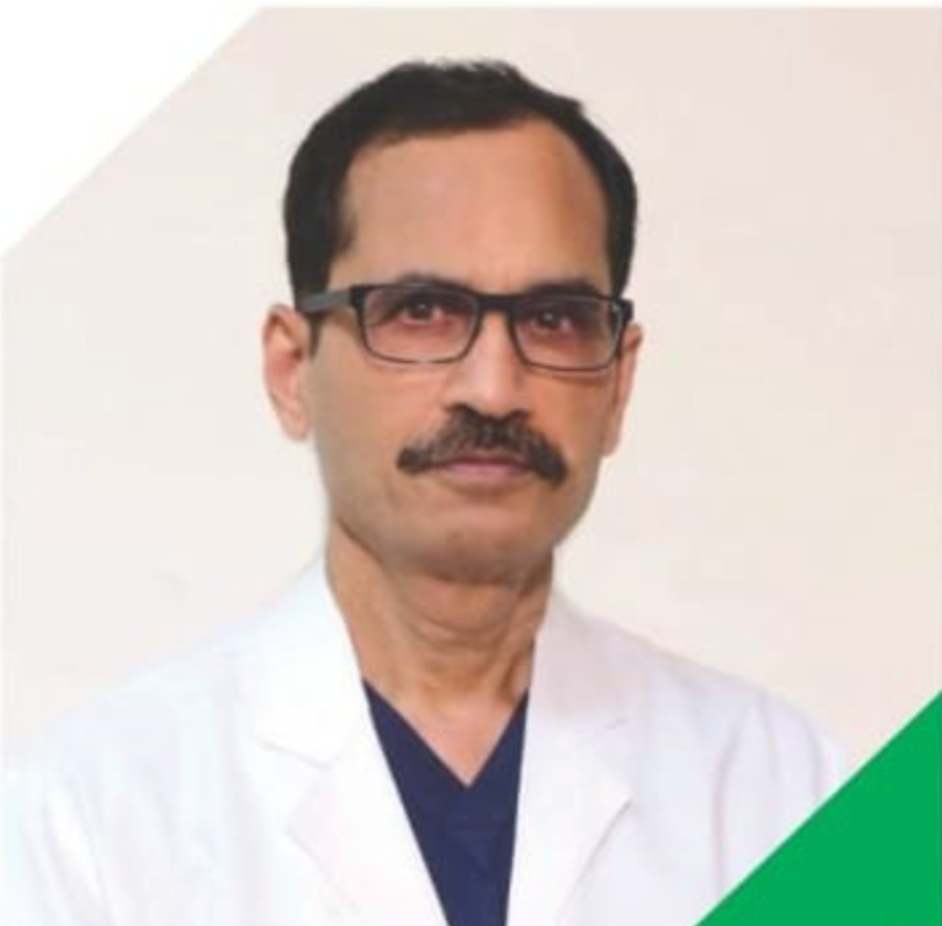
Dr. Z.S. Meharwal
Executive Director & Head - Adult Cardiac Surgery & Heart Transplant
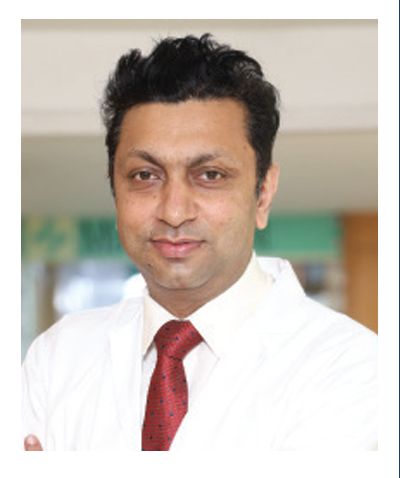
Dr. Vaibhav Mishra
Senior Director - Cardiac Surgery (CTVS)
Patient Story
Gulnara Kasimova
Tashkent, Uzbekistan"My heart bypass surgery was coordinated perfectly. The cardiac ICU at Fortis Escorts was top-notch, and the daily support from Carehind translators made us feel safe and cared for every single day."
International Guides
Treatment estimates and guides for international patients: